

Blog
what is diammonium phosphate

Why Buyers Search for Diammonium Phosphate Fertilizer
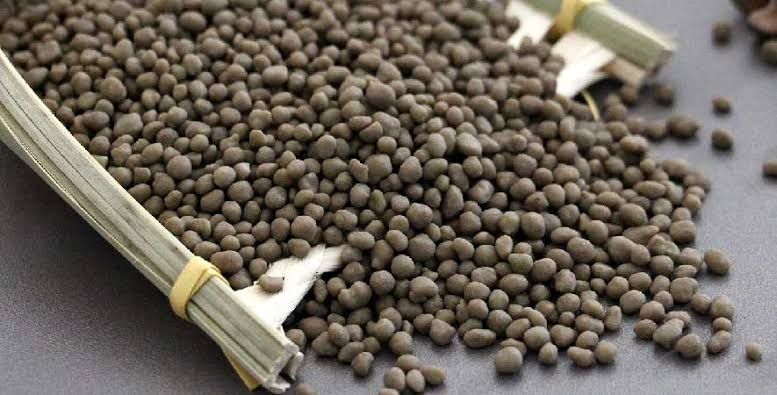
Diammonium phosphate fertilizer, commonly known as DAP fertilizer, is one of the most widely used phosphate fertilizers in modern agriculture. Farmers, fertilizer distributors, plantation managers, importers, wholesalers, and agricultural supply companies look for DAP fertilizer because it provides two important nutrients in one concentrated product: nitrogen and phosphorus.
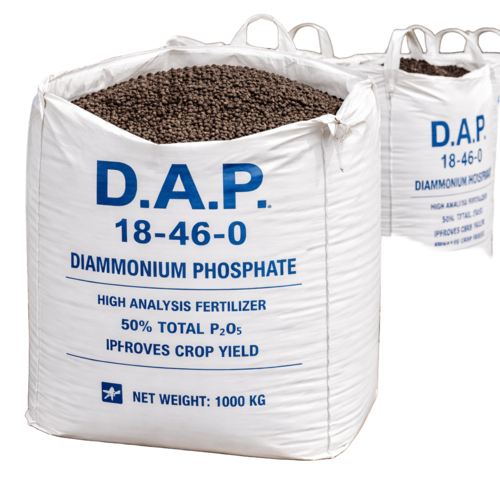
For buyers who want a reliable phosphorus-rich fertilizer, diammonium phosphate is often one of the first products to consider. It is commonly sold as DAP 18-46-0 fertilizer, which means it contains nitrogen and a high level of phosphate, with no potassium in the standard formula. This high nutrient concentration makes DAP fertilizer valuable for early crop development, strong root formation, seedling establishment, flowering preparation, and general crop nutrition.
At Urea Fertilizer Source, we supply diammonium phosphate fertilizer from Thailand for agricultural buyers who need dependable product sourcing, bulk supply options, and clear purchasing support. Whether you are searching for diammonium phosphate fertilizer for sale, bulk DAP fertilizer, DAP fertilizer Thailand, or a trusted diammonium phosphate supplier, understanding the product will help you choose the right fertilizer for your farming or distribution needs.
This guide explains what diammonium phosphate is, how DAP fertilizer works, why farmers use it, which crops benefit from it, how to apply it responsibly, and what to consider when buying DAP fertilizer in bulk.
What Is Diammonium Phosphate?
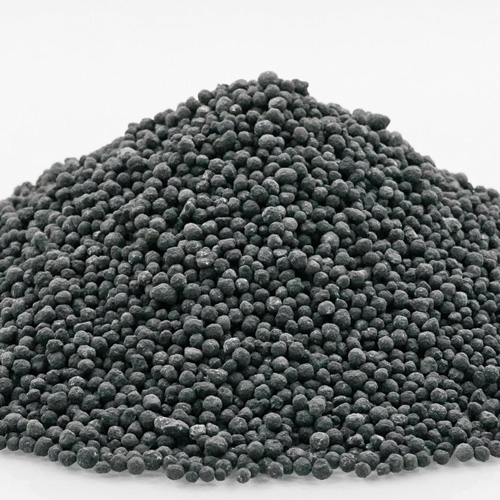
Diammonium phosphate is a nitrogen-phosphorus fertilizer made from ammonia and phosphoric acid. In agriculture, it is best known as DAP fertilizer or DAP 18-46-0. The term “diammonium” refers to the ammonium nitrogen portion of the fertilizer, while “phosphate” refers to the phosphorus nutrient it supplies to crops.
DAP fertilizer is popular because it delivers a concentrated source of phosphorus, which is essential for root growth, energy transfer, flowering, seed formation, and plant maturity. It also supplies ammonium nitrogen, which supports early vegetative growth and helps plants build strong stems and leaves.
The standard DAP fertilizer grade is usually written as 18-46-0. This number is important for buyers because it tells you the nutrient analysis of the product:
18% nitrogen
46% phosphate, expressed as P₂O₅
0% potash, expressed as K₂O
This means DAP fertilizer is not a complete NPK fertilizer by itself. It provides nitrogen and phosphorus, but it does not provide potassium. Many farmers use DAP as part of a broader fertilizer program that may also include urea, potassium chloride, potassium sulfate, ammonium sulfate, or other crop-specific fertilizers.
Because of its nutrient density, DAP fertilizer is often preferred by buyers who want a high-analysis product that can reduce handling, storage, and transport volume compared with lower-analysis phosphate materials.
Why Is DAP Fertilizer Important for Crop Production?
Plants need several nutrients to grow properly, but nitrogen, phosphorus, and potassium are the three primary nutrients most commonly discussed in fertilizer programs. Diammonium phosphate focuses on two of these: nitrogen and phosphorus.
Phosphorus is especially important during the early growth stage of crops. It helps plants develop stronger roots, supports energy movement inside the plant, and contributes to flowering, fruiting, and seed development. Without enough available phosphorus, crops may grow slowly, develop weak root systems, show poor establishment, and produce lower-quality yields.
Nitrogen supports green growth, leaf development, and overall plant vigor. The nitrogen in DAP is in ammonium form, which can be useful during early crop establishment. When used correctly, DAP fertilizer gives young plants a strong nutritional start.
This combination makes diammonium phosphate fertilizer a practical choice for many agricultural applications, especially where soil tests show a need for phosphorus. Farmers often use DAP before planting, at planting, or during early crop development as a basal fertilizer.
For commercial buyers, the appeal is also economic. A high-analysis fertilizer like DAP 18-46-0 can deliver a large amount of nutrient value in every metric ton. This makes it attractive for bulk fertilizer buyers, importers, agricultural cooperatives, fertilizer dealers, and distributors looking for efficient product movement.
Main Benefits of Diammonium Phosphate Fertilizer
Diammonium phosphate fertilizer offers several benefits for farmers and agricultural businesses.
1. High Phosphorus Content
The biggest advantage of DAP fertilizer is its high phosphate content. Phosphorus is one of the most important nutrients for root development, early growth, crop establishment, flowering, and seed production. Because DAP contains a high level of phosphate, it is useful when crops require a strong phosphorus supply.
2. Provides Nitrogen and Phosphorus in One Product
DAP fertilizer supplies both nitrogen and phosphorus. This makes it convenient for growers who want a two-nutrient fertilizer that supports both root growth and early plant vigor. Instead of applying a phosphorus-only product, farmers can apply DAP to supply phosphorus plus a useful amount of nitrogen.
3. Suitable for Many Crops
DAP fertilizer can be used for a wide range of agricultural crops, including rice, corn, wheat, sugarcane, vegetables, fruit trees, oil palm, cassava, legumes, pasture crops, and plantation crops. Application should always be based on soil condition, crop needs, and local agronomic recommendations.
4. Efficient for Bulk Fertilizer Blending
Many fertilizer blenders use DAP as a raw material in custom NPK blends. Because DAP has a high nutrient concentration, it can be blended with other fertilizers to create crop-specific formulas. For example, it may be combined with urea for extra nitrogen or with potassium fertilizers when crops require potassium.
5. Easy to Handle and Transport
Granular DAP fertilizer is widely traded because it is practical to store, move, blend, and apply. For distributors and wholesale buyers, this is important. A fertilizer product must not only work in the field; it must also be suitable for logistics, warehousing, packaging, and commercial supply.
6. Valuable for Early Crop Establishment
Strong early growth can influence the full crop cycle. DAP fertilizer is commonly used near the beginning of the season because phosphorus availability is critical when young plants are developing their root systems. Better roots help crops access water and nutrients more effectively.
Common Uses of Diammonium Phosphate Fertilizer
Diammonium phosphate fertilizer is used in many agricultural settings. Its role depends on the crop, soil nutrient levels, climate, application method, and total fertilizer program.
Pre-Plant Fertilizer
DAP is commonly applied before planting during soil preparation. This allows phosphorus to be placed where young roots can access it. Pre-plant use is common in field crops, vegetables, and plantation establishment.
Basal Fertilizer
Many growers use DAP as a basal fertilizer. A basal fertilizer is applied near the start of the crop cycle to provide essential nutrients for early development. Because DAP supports root growth and early plant strength, it is well suited for this role.
Fertilizer Blending
DAP is widely used in dry bulk fertilizer blends. Fertilizer manufacturers and distributors may blend DAP with nitrogen, potassium, sulfur, or micronutrient sources to create balanced NPK products for specific crops.
Crop Establishment
Crops often need phosphorus early, even before visible deficiency symptoms appear. DAP fertilizer can support better crop establishment when soil phosphorus is low or when a phosphorus-rich starter fertilizer is required.
Commercial Farming and Plantation Use
Large farms and plantations often need reliable fertilizers in bulk. DAP fertilizer is suitable for commercial crop production where buyers need consistent quality, predictable supply, and efficient nutrient delivery.
Crops That Commonly Use DAP Fertilizer
Diammonium phosphate fertilizer can be used across many crop types. However, the correct application rate should depend on soil tests and crop recommendations.
Rice
Rice production often requires a balanced nutrient program. DAP fertilizer may be used to provide phosphorus during early growth, helping young rice plants establish stronger roots and better early vigor.
Corn and Maize
Corn needs strong root development and sufficient phosphorus early in the season. DAP fertilizer can be useful in corn fertilizer programs, especially when applied before planting or at planting according to local recommendations.
Wheat and Cereal Crops
Wheat and other cereals can benefit from phosphorus during early development. DAP supports root growth and crop establishment, helping plants prepare for later growth stages.
Sugarcane
Sugarcane requires a strong nutrient program for long-term growth. DAP may be used as a phosphorus source during planting or early development, often alongside nitrogen and potassium fertilizers.
Vegetables
Vegetable crops often have high nutrient demand and short growth cycles. DAP fertilizer can help support root formation and early growth, especially for crops grown in soils with low available phosphorus.
Fruit Trees
Fruit crops need phosphorus for root growth, flowering, and overall plant development. DAP may be used in orchard fertilizer programs, especially during establishment or when phosphorus is required based on soil testing.
Oil Palm and Plantation Crops
Plantation crops require planned fertilization over time. DAP can be part of a broader nutrient management program for plantations, especially where phosphorus is needed to support root and plant development.
Legumes
Legumes such as soybeans, beans, and peanuts require phosphorus for root growth and plant energy processes. DAP may be used where nitrogen and phosphorus are appropriate for the crop and soil condition.
DAP Fertilizer vs. MAP Fertilizer
Buyers often compare DAP fertilizer with MAP fertilizer because both are ammonium phosphate fertilizers. MAP stands for monoammonium phosphate, while DAP stands for diammonium phosphate.
The most common MAP grade is 11-52-0, while the common DAP grade is 18-46-0. MAP has more phosphate and less nitrogen. DAP has more nitrogen and slightly less phosphate compared with MAP.
The right choice depends on crop needs, soil pH, application method, and agronomic advice. DAP is often selected when buyers want a strong phosphate fertilizer with a higher nitrogen contribution. MAP may be selected in situations where a different phosphate-nitrogen balance is preferred.
For fertilizer buyers, both products are valuable, but they are not identical. If your priority is to buy DAP fertilizer 18-46-0, make sure the supplier clearly identifies the product grade, form, packaging, origin, and specifications.
DAP Fertilizer vs. Urea Fertilizer
DAP and urea are both widely used fertilizers, but they serve different nutrient purposes. Urea fertilizer is mainly a nitrogen fertilizer, commonly sold as 46-0-0. DAP fertilizer is a nitrogen-phosphorus fertilizer, commonly sold as 18-46-0.
Urea is used when crops need a high nitrogen supply for leaf and stem growth. DAP is used when crops need phosphorus plus some nitrogen, especially during early growth and root development.
Many farmers use both products in the same overall fertilizer program. For example, DAP may be applied at planting to support root development, while urea may be applied later to supply additional nitrogen during vegetative growth. The best program depends on the crop, soil test, rainfall, irrigation, and local farming practice.
How to Apply Diammonium Phosphate Fertilizer
Application methods vary depending on crop type, soil condition, machinery, and local recommendations. In general, DAP fertilizer can be applied as a basal fertilizer, broadcast fertilizer, banded fertilizer, or part of a blended fertilizer program.
Soil Testing First
Before applying DAP fertilizer, it is best to understand the soil nutrient status. Soil testing helps determine whether phosphorus is needed and how much should be applied. Applying too little may limit crop performance, while applying too much can waste money and create nutrient imbalance.
Use the Correct Rate
The correct DAP application rate depends on the crop and soil fertility. Different crops have different phosphorus demands. A field with low phosphorus will need a different rate than a field with adequate phosphorus. Buyers should consult local agronomists, extension services, or crop advisors for precise recommendations.
Place Fertilizer Carefully
Fertilizer placement affects nutrient availability. DAP is often placed near the root zone but should be applied carefully to avoid seedling injury, especially where high rates are used close to seed. Placement methods should follow local crop guidelines.
Combine with Other Nutrients When Needed
DAP does not contain potassium. If the crop also needs potassium, sulfur, calcium, magnesium, or micronutrients, additional fertilizers may be required. DAP should be part of a balanced fertilizer plan rather than the only nutrient source.
Store Properly
Store DAP fertilizer in a cool, dry, well-ventilated area. Keep it away from moisture, direct water exposure, and incompatible materials. Proper storage helps preserve product quality and prevents handling issues.
What to Check Before Buying DAP Fertilizer
When you are ready to buy diammonium phosphate fertilizer, choosing the right supplier is just as important as choosing the right product. Fertilizer buyers should look beyond price alone and check product quality, supply reliability, packaging, delivery terms, and communication.
1. Product Grade
Confirm that the product is DAP 18-46-0 fertilizer or the specific grade you require. The grade should clearly show nitrogen, phosphate, and potash content.
2. Product Form
Most agricultural DAP is sold in granular form, but specifications may vary. Granular DAP fertilizer is preferred for spreading, blending, and bulk handling.
3. Packaging Options
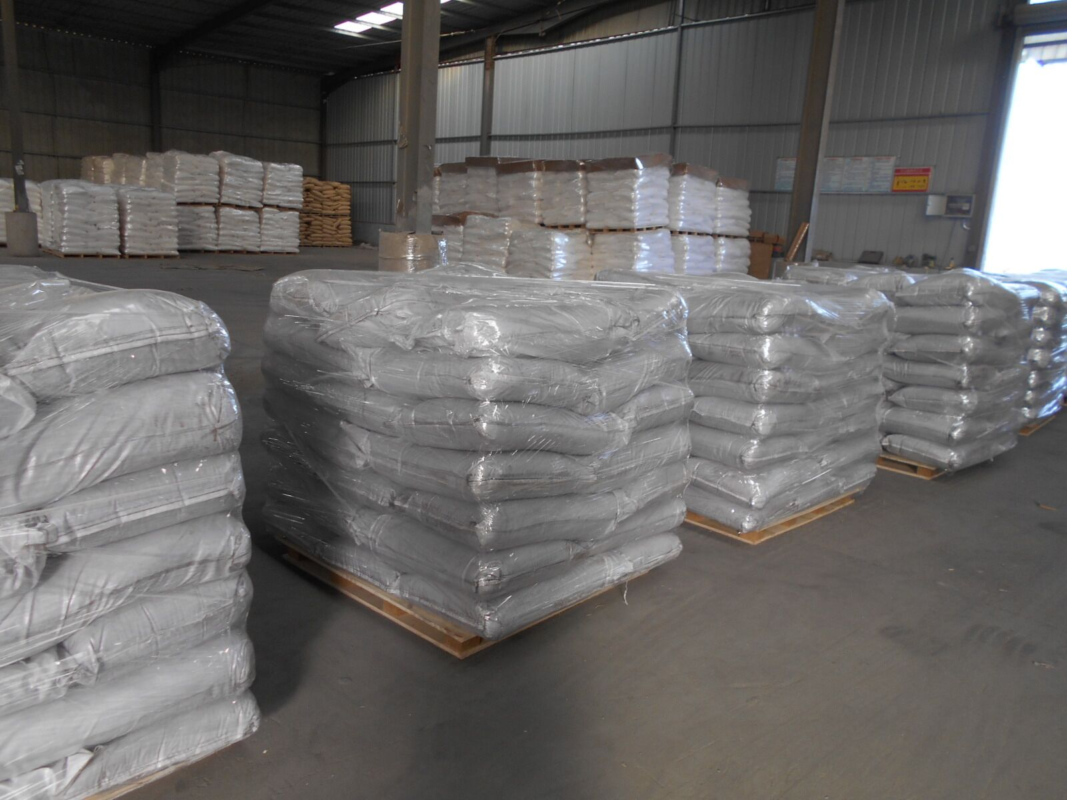
Ask about packaging options such as bags, jumbo bags, bulk supply, or containerized shipment. Packaging needs may vary depending on whether you are a farmer, distributor, importer, or wholesaler.
4. Minimum Order Quantity
Bulk DAP fertilizer buyers should ask about minimum order quantity, container loading, monthly supply ability, and shipment planning. This is especially important for importers and wholesale distributors.
5. DAP Fertilizer Price
DAP fertilizer price can change depending on international fertilizer markets, raw material costs, freight, availability, packaging, and order volume. Instead of relying on outdated online prices, request a current DAP fertilizer quotation based on your required quantity and destination.
6. Supplier Experience
A reliable diammonium phosphate supplier should understand agricultural fertilizer supply, export documentation, bulk inquiries, product specifications, and buyer requirements.
7. Origin and Supply Route
If you are searching for DAP fertilizer Thailand or diammonium phosphate fertilizer from Thailand, confirm origin, availability, and shipping details with the supplier before placing an order.
Why Buy Diammonium Phosphate Fertilizer from Thailand?
Thailand is an important agricultural and trade region in Southeast Asia. Buyers who source fertilizer from Thailand may benefit from access to regional supply channels, agricultural market experience, and export-oriented fertilizer sourcing.
Urea Fertilizer Source supplies diammonium phosphate fertilizer from Thailand for buyers who need practical support, bulk supply options, and clear communication. We work with farmers, fertilizer dealers, agricultural companies, distributors, wholesalers, and importers looking for DAP fertilizer for sale.
When you buy DAP fertilizer from Thailand through Urea Fertilizer Source, you can request product details, packaging information, bulk availability, and a current quotation. Our goal is to help buyers source the right fertilizer for agricultural use, commercial resale, or fertilizer blending.
Who Should Buy DAP Fertilizer?
Diammonium phosphate fertilizer is suitable for many types of buyers.
Farmers
Farmers use DAP fertilizer to support crop establishment, root development, and phosphorus nutrition. It is useful for many field crops, vegetables, fruit crops, and plantation crops.
Fertilizer Distributors
Distributors buy wholesale diammonium phosphate fertilizer to supply local farmers, agro-dealers, cooperatives, and agricultural retailers.
Importers
Importers looking for DAP fertilizer Thailand can request bulk supply, shipment details, and documentation support for their market.
Agricultural Companies
Commercial farms, plantation companies, and crop production businesses may buy bulk DAP fertilizer for seasonal nutrient programs.
Fertilizer Blenders
Blenders use granular DAP fertilizer as a raw material in NPK fertilizer production or custom dry blends.
Wholesalers and Dealers
Dealers searching for diammonium phosphate fertilizer for sale can source bulk quantities and resell to farming customers.
How to Request a DAP Fertilizer Quotation
Requesting a quotation for diammonium phosphate fertilizer is simple. To help us respond accurately, prepare the following details:
Required product: Diammonium Phosphate / DAP 18-46-0
Required quantity: bags, metric tons, containers, or bulk order volume
Destination country or port
Preferred packaging
Application: farming, resale, blending, distribution, or import
Required delivery schedule
Any special documentation or specification requirements
Once this information is available, our team can provide product details, availability, and quotation support. Because fertilizer prices can change based on market conditions and logistics, the most accurate way to check DAP fertilizer price is to request a current quote.
Frequently Asked Questions About Diammonium Phosphate Fertilizer
What is diammonium phosphate fertilizer used for?
Diammonium phosphate fertilizer is used to supply crops with nitrogen and phosphorus. It is commonly applied for root development, early growth, crop establishment, flowering preparation, and fertilizer blending.
What does DAP 18-46-0 mean?
DAP 18-46-0 means the fertilizer contains 18% nitrogen, 46% phosphate, and 0% potash. It is a nitrogen-phosphorus fertilizer, not a complete NPK fertilizer.
Is DAP fertilizer good for all crops?
DAP can be used for many crops, but application should depend on soil tests, crop requirements, and local recommendations. It is commonly used for cereals, rice, corn, vegetables, fruit crops, sugarcane, plantation crops, and legumes.
Can DAP be mixed with other fertilizers?
DAP is often used in dry fertilizer blends, but compatibility depends on the other materials, moisture conditions, and handling methods. Buyers should consult fertilizer blending guidance before mixing products.
Is DAP fertilizer the same as urea?
No. Urea is mainly a nitrogen fertilizer, commonly 46-0-0. DAP is a nitrogen-phosphorus fertilizer, commonly 18-46-0. They are used for different nutrient purposes but may be part of the same fertilizer program.
Where can I buy diammonium phosphate fertilizer from Thailand?
You can contact Urea Fertilizer Source to request diammonium phosphate fertilizer for sale from Thailand. We support bulk DAP fertilizer inquiries for farmers, distributors, wholesalers, importers, and agricultural companies.
Final Thoughts: Buy DAP Fertilizer from a Reliable Thailand Supplier
Diammonium phosphate fertilizer is one of the most important phosphate fertilizers used in agriculture. With its 18-46-0 nutrient profile, DAP supplies both nitrogen and phosphorus in a concentrated form. It supports early crop growth, strong root development, crop establishment, and efficient fertilizer blending.
For buyers, DAP fertilizer is valuable not only because of its nutrient content but also because it is practical for bulk handling, transport, storage, and commercial supply. Whether you are a farmer preparing for the planting season, a distributor looking for wholesale diammonium phosphate fertilizer, an importer sourcing DAP fertilizer from Thailand, or a fertilizer blender needing granular DAP fertilizer, choosing the right supplier matters.
Urea Fertilizer Source supplies diammonium phosphate fertilizer from Thailand for agricultural and commercial buyers. Contact us today to request product specifications, availability, packaging options, bulk order details, and a current DAP fertilizer quotation.
If you are ready to buy diammonium phosphate fertilizer, source DAP fertilizer for sale, or compare bulk DAP fertilizer supply from Thailand, Urea Fertilizer Source is ready to help you move forward with a dependable fertilizer sourcing solution.
