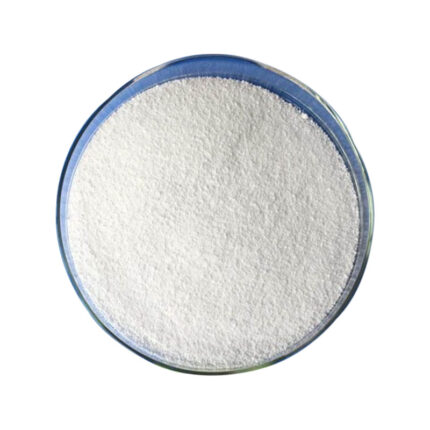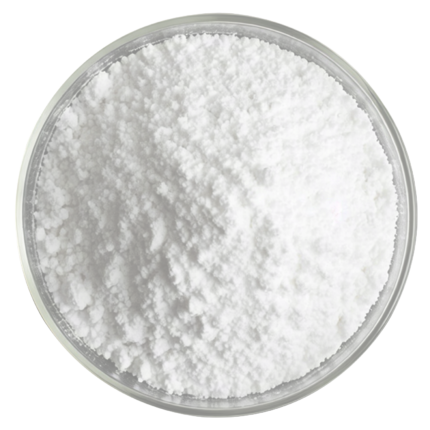
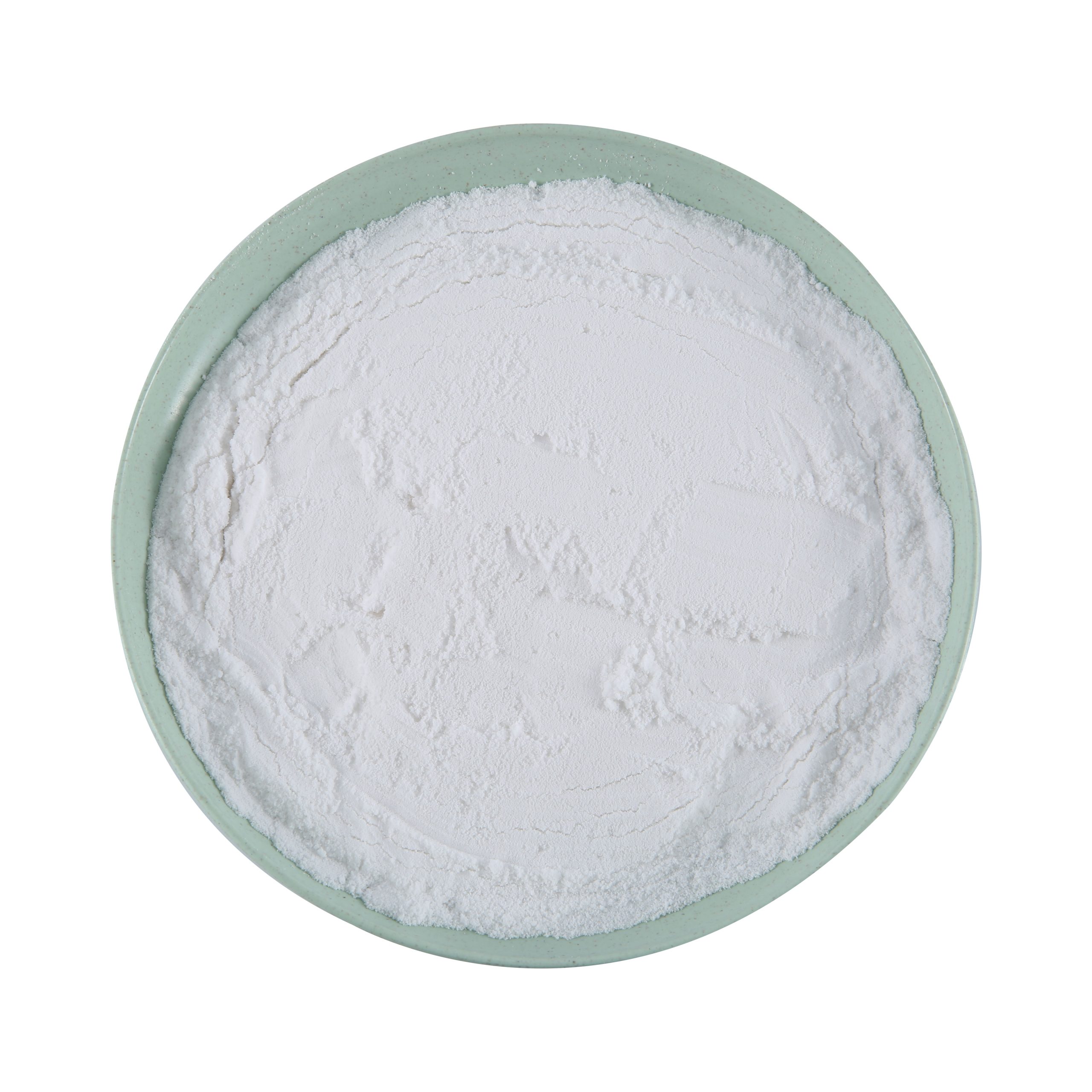
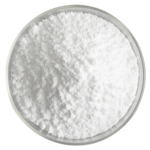
SOP Powder 50% Potassium Sulphate
- Classification: Sulphate, Potassium Fertilizer
- Name: Potassium Sulphate
- CAS No.: 7778-80-5
- Other Name: SOP 50% Powder
- MF: K2SO4
- EINECS No.: 231-915-5
- Place of Origin: Tianjin, China
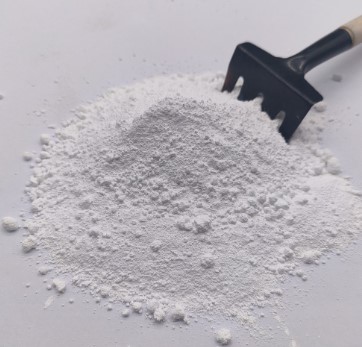
- State: Powder
- Brand Name: Solinc
- Model Number: Fertilizer or Agriculture
|
Items |
standard |
standard |
|
Appearance |
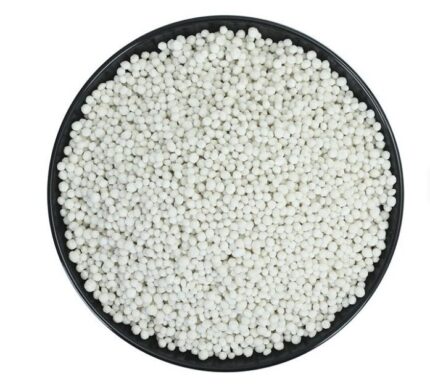
White Powder/Granular |
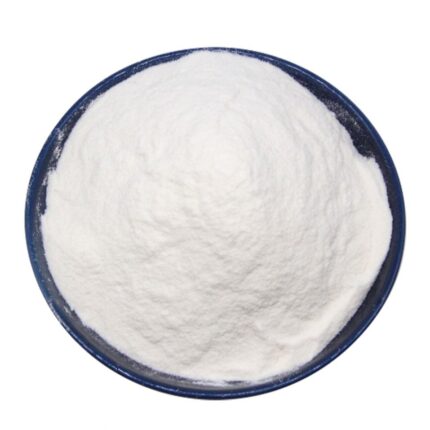
Water soluble powder |
|
K2O |
50%min |
50%/52%min |
|
CI |
1.5%MAX |
1.0%MAX |
|
Moisture |
1.5%max |
1.0%max |
|
S |
17.5%MIN |
18%MIN |
|
Water solubility |
—— |
99.7%min |
Potassium Sulphate Application
1. Used as potassium fertilizer in agriculture.
2. Mainly used as the raw material of BLENDING NPK.
3. Used as settling agent in glass industry.
4. Used as intermediate in dyeing industry.
5. Used for producing potassium sale, potassium carbonate, potassium persulphate
Potassium Sulphate (SOP – Sulphate of Potash) is a highly efficient, chloride-free potassium fertilizer that plays a critical role in modern agriculture and industrial applications. It is widely recognized as one of the most reliable sources of potassium and sulfur, two essential nutrients required for healthy plant growth, improved crop quality, and higher yield performance. Potassium Sulphate is especially preferred for chloride-sensitive crops, where the presence of chloride-based fertilizers can negatively impact plant development and soil health.
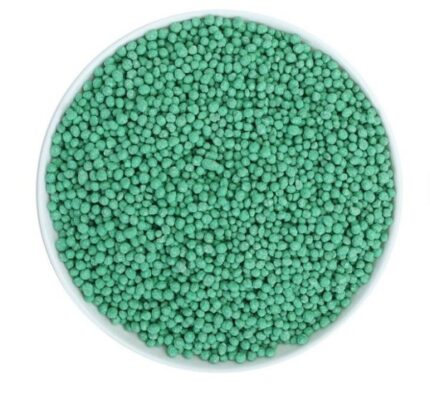
This product is typically available in white crystalline powder or granular form and is highly water-soluble, making it suitable for a wide range of agricultural applications, including drip irrigation, fertigation systems, and foliar feeding. The standard Potassium Sulphate grade contains a minimum of 50% K₂O, which ensures a strong and concentrated potassium supply for crops. Depending on the specification, it may also be available in higher purity grades such as 52% water-soluble Potassium Sulphate. Along with potassium, it contains sulfur (S) in the range of 17.5% to 18% minimum, which is an essential secondary nutrient that supports protein synthesis, enzyme activation, and overall plant metabolism.
One of the key advantages of Potassium Sulphate is its low chloride content. The chlorine level is typically controlled to a maximum of 1.0% to 1.5%, making it safe for sensitive crops such as fruits, vegetables, tobacco, tea, coffee, grapes, and other high-value horticultural crops. Excess chloride in fertilizers can lead to soil salinity issues and reduce crop productivity, but SOP helps eliminate these risks while ensuring balanced plant nutrition.
The moisture content in Potassium Sulphate is also kept very low, generally around 1.0% to 1.5% maximum. This ensures product stability, prevents caking, and enhances shelf life during storage and transportation. In addition, the water solubility of premium grades can reach up to 99.7% minimum, which allows quick dissolution in water and efficient nutrient absorption by plant roots. This makes it highly effective in precision agriculture systems where nutrient delivery needs to be controlled and optimized.
Potassium Sulphate is widely used in agriculture as a direct potassium fertilizer to improve crop yield, fruit quality, size, color, and resistance to diseases and environmental stress. It enhances water regulation within plants, strengthens root systems, and improves overall plant vigor. Farmers prefer SOP over other potassium sources when growing high-value crops because it ensures better taste, higher sugar content, improved appearance, and longer shelf life of produce.
Apart from direct agricultural use, Potassium Sulphate is also an important raw material in the production of blended fertilizers, especially NPK (Nitrogen-Phosphorus-Potassium) formulations. It is used to customize nutrient ratios according to specific crop requirements and soil conditions. This flexibility makes it a key component in modern fertilizer manufacturing industries.
In addition to agriculture, Potassium Sulphate has several industrial applications. It is used in the glass industry as a settling agent, helping improve clarity and quality in glass production. In the dyeing and textile industry, it serves as an intermediate chemical to support various processing reactions. It is also used in the production of potassium-based compounds such as potassium carbonate and potassium persulphate, which are widely used in chemical manufacturing processes.
From a supply perspective, Potassium Sulphate is offered in multiple grades to meet diverse market needs, including 50% standard powder, 50% water-soluble powder, and 52% water-soluble powder. These variations allow buyers to choose the most suitable product based on application requirements, whether for direct soil application or advanced fertigation systems. Packaging options are flexible as well, including OEM bags customized for private labeling as well as standard branded packaging for retail and bulk distribution.
Suppliers with strong logistical capabilities ensure smooth export operations, including container shipments and breakbulk vessel handling for large-scale orders. With a production and supply capacity of up to 10,000 metric tons per month, consistent availability and timely delivery are maintained to meet global demand. This large-scale supply capability makes Potassium Sulphate a reliable choice for distributors, agricultural companies, and industrial buyers worldwide.
Overall, Potassium Sulphate (SOP) stands out as a premium-grade fertilizer that combines high efficiency, crop safety, and versatile applications. Its balanced nutrient composition, chloride-free nature, and excellent solubility make it an essential input in sustainable agriculture and modern fertilizer systems, supporting both productivity and long-term soil health.
1. Supply SOP 50% Standard Powder, 50% Water Soluble Powder and 52% Water Soluble Powder.
2. Supply OEM bag and our Brand Bag.
3. Rich experience in container and BreakBulk Vessel Operation.
Supply Ability
10000 Metric Ton per Month